Azul vs Sagrada: Which Should You Buy?
These two get cross-shopped all the time, and it is easy to see why. Both are beautiful enough to stop a conversation when you set them up, both teach in about five minutes, and both fill that same slot on the shelf: the pretty, smart, half-hour game you reach for when you want to think a little without committing your whole evening. If someone asks me for a tidy puzzle that looks stunning on the table, these are usually the first two names out of my mouth.
They share a lot of DNA. You draft pieces from a shared pool, you slot them onto your own board following placement rules, and you score for patterns. The difference is in the personality. Azul is a knife fight wearing candy-colored tiles, all about timing and denial. Sagrada is a quiet grid puzzle where the dice, not your opponent, are the thing you are wrestling with. Here is how they actually feel once you are sitting down with them.
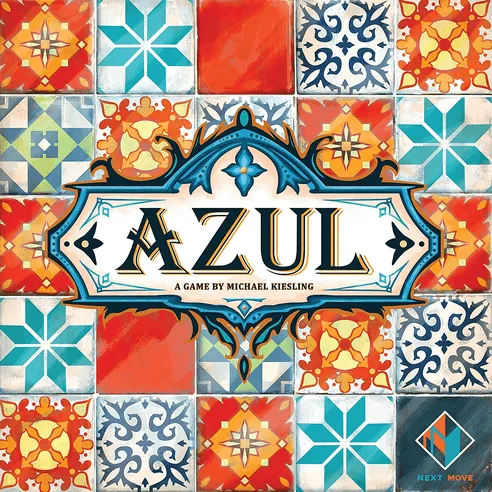
Azul
2017 · Michael Kiesling
The chunky tiles feel like candy, and the game under them is a clean little knife fight.
Affiliate link — we may earn a commission at no extra cost to you.
/pic9374520.png)
Sagrada
2017 · Adrian Adamescu and Daryl Andrews
A gorgeous, accessible dice puzzle that punches above its weight, as long as you and yours can make peace with the dice deciding part of your fate.
Affiliate link — we may earn a commission at no extra cost to you.
Azul
- The resin tiles are so satisfying you'll fidget with them
- You can teach it in two minutes and the depth shows up right away
- It's fantastic at two players
- There's basically no theme, it's pure pattern and timing
- A runaway leader at four players can be hard to catch
Sagrada
- 90 translucent dice that genuinely stop people mid-conversation
- Rules you can teach in five minutes, with a puzzle that still bites
- Plays fast and shines especially well at two players
- Largely solitaire unless you deliberately snipe a die someone needs
- The dice can hand you a bad turn and there's only so much you can do about it
Azul and Sagrada both sit in our Family list. See the full Family ranking to find where each one lands and what else is worth a spot on your shelf.
How they actually play
Azul is about what you take and what you leave behind. You draft sets of matching tiles from shared piles and lay them on your board for points, but every tile you grab leaves the rest sitting there for everyone else. So half the game is reading the table and deciding what you are willing to hand your opponents. At two players it turns slow and a little vicious, a game of denial where you will scoop up tiles you do not even want just to keep them away from the person across from you. That low simmer of cruelty is the whole appeal.
Sagrada keeps your head down on your own window. You are filling a 4x5 grid with colored dice, drafting them two at a time over ten rounds, and the rules fight you the entire way: no two dice of the same color or number can sit next to each other, and your window card demands certain colors or values in specific spots. The interaction is thin. Mostly you are solving your own glowing little puzzle, and the only real way to bother an opponent is to snipe a die you know they need, which feels more petty than strategic. Where Azul is a duel, Sagrada is a beautiful solitaire you happen to play next to other people.
Complexity and learning curve
Both land in the same light-medium zone and both teach in about two to five minutes, so neither one will scare off a nervous beginner. The depth shows up in different places, though. Azul's rules are almost nothing, but the timing and denial reveal themselves the very first game, and a runaway leader at four players can be hard to reel back in. Sagrada's twist is the placement restriction, which sounds simple until you are staring at a die you cannot legally put anywhere. Overthinkers will stall on Sagrada more than on Azul, because the long search for the perfect spot is exactly the kind of thing that invites the big quiet stare.
Replayability and table presence
Neither game gives you a story, and that is fine. Azul is pure shapes and timing, and it earns its keep as a quick brain-tickler that lives by the front door, the kind of two-player game that is easy to come back to night after night. Its replay value is in the shifting math of who is taking what. Sagrada leans on its window cards and goal cards to vary each game, and the dice themselves keep things from ever feeling scripted, since a bad draw can hand you a turn with nowhere good to go.
On pure table presence they are both showstoppers. Azul's chunky resin tiles are so satisfying you will fidget with them between turns. Sagrada counters with 90 translucent dice that genuinely look like glowing stained glass once your window starts filling in. If you want the more reliably tight, repeatable experience, Azul holds up over more plays. If you want the one that draws gasps when the box opens, Sagrada is tough to beat.
Buy Azul if you mostly play with one other person and you want a clean, mean little duel you can pull out night after night, where outsmarting the player across the table is the whole point. Buy Sagrada if you want a calmer, more forgiving puzzle for couples or family game night and you do not mind the dice deciding part of your fate. Azul is the sharper game and the safer all-around pick; Sagrada is the cozier, more solitaire one with the prettier components.
Azul is a tidy knife fight, Sagrada is a glowing solo puzzle, and which you want comes down to whether you crave conflict or calm.