Lost Ruins of Arnak vs Wingspan: Which Should You Buy?
These two are a classic cross-shop, and the overlap is real. Both are stunning to look at, both sit in that approachable medium-weight zone, both play beautifully solo, and both win over couples and small groups looking for depth without a three-hour teach. If someone wants a pretty, thinky game that does not demand an entire evening, Arnak and Wingspan are the two boxes that usually come up together.
The difference is in the texture of the experience. Lost Ruins of Arnak is an Indiana Jones style adventure that fuses deck-building with worker placement, sending explorers out to dig up sites and research a temple track. Wingspan is a calmer engine-builder about filling a wildlife preserve with birds, where every card you play makes your next turn a little better. Both are kind, low-conflict games, but they ask for slightly different headspaces.
/pic5674958.jpg)
Lost Ruins of Arnak
2020 · Michal "Elwen" Štach and Michaela "Mín" Štachová
A gorgeous, smartly built hybrid that gives you a heavy-game brain workout without a heavy-game rulebook. Light on conflict, but most players don't seem to miss it.
Affiliate link — we may earn a commission at no extra cost to you.
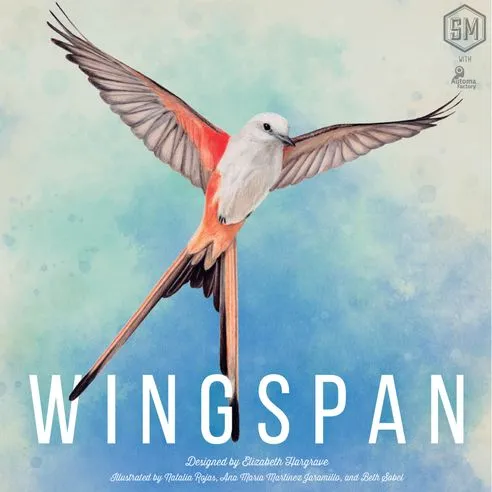
Wingspan
2019 · Elizabeth Hargrave
It looks like a pretty game that might be hollow. It isn't. It's quietly one of the best gateway games out there.
Affiliate link — we may earn a commission at no extra cost to you.
Lost Ruins of Arnak
- Deck-building and worker placement genuinely click together instead of just sitting side by side
- Stunning art and chunky resource tokens that feel good in the hand
- Approachable for its weight, with a clean rulebook and a strong solo mode
- Almost no direct interaction, so it plays like a quiet race
- The research track can feel like the obvious best plan once you crack it
Wingspan
- The bird cards are lovely to look at, and there are a lot of them
- Easy to teach, but there's plenty to chew on once it clicks
- The solo mode is good enough to play on a quiet night
- You mostly tend your own little world, so it can feel a bit lonely
- One slow, over-thinking player can stall the back half
Lost Ruins of Arnak and Wingspan both sit in our Drafting list. See the full Drafting ranking to find where each one lands and what else is worth a spot on your shelf.
How they actually play
In Arnak you are an archeologist on a creepy uncharted island, sending two little explorers out to dig up sites, fight off guardian monsters, and research your way up a temple track. The trick is that it is a deck-builder and a worker placement game at the same time, and the two halves actually feed each other so well that players say it is almost annoying nobody did it sooner. The art is lovely and the resource tokens are chunky and satisfying in the hand. The first turn feels thin with only two explorers, but the late rounds balloon to ten-plus actions each.
Wingspan is the gentler build. You are filling a wildlife preserve, and every bird you play makes your next turn a little better. That slow build, the moment your board starts doing the work for you, is the whole appeal. What makes it special is how kind it is to people: nobody gets knocked out, nobody falls so far behind they check out, and the worst night you will have is a slightly less impressive flock than the person beside you. The bird cards are lovely, and there are a lot of them.
Complexity and learning curve
Both land at Medium weight, but Arnak is the meatier puzzle of the two. It hits a medium weight that experienced gamers respect and newer hobbyists can actually follow, with a clean rulebook that makes it one of the best on-ramps to heavier games. Wingspan is easy to teach but has plenty to chew on once it clicks, and it is famously forgiving, which makes it perfect for tables where the skill levels are all over the place.
If your group has a real mix of experience, Wingspan is the safer teach because no one ever falls hopelessly behind. The player who bounces off Arnak is someone wary of those ballooning late-round turns and the analysis paralysis they can invite. The player who bounces off Wingspan is the one who wants more crunch and conflict, since it can feel a bit polite if your table lives for blocking and going for the throat.
Replayability and table presence
Both have strong solo modes and lots of variety. Arnak's pull is its smart hybrid puzzle and gorgeous adventure theme, though once you crack the research track it can start to feel like the one obviously strong plan, which dulls the puzzle a little over many plays. Wingspan leans on its enormous deck of beautifully illustrated birds, and its solo mode is good enough to play on a quiet night on its own.
Neither has much player conflict, which is the shared caveat: Arnak plays like a polite race, and in Wingspan you mostly tend your own little world, so both can feel a touch lonely if your group wants interaction. On table appeal, both are knockouts, but Wingspan edges it for sheer card variety while Arnak wins on thematic adventure and chunky components. One slow, over-thinking player can stall the back half of either.
Buy Lost Ruins of Arnak if you want a slightly meatier, adventure-themed puzzle that fuses deck-building and worker placement and rewards a group ready to graduate toward heavier games. Buy Wingspan if you want the warmest, most forgiving engine-builder for mixed-skill tables, couples, or quiet solo nights. Arnak is the sharper brain workout; Wingspan is the kinder, more universally welcoming pick. If your table includes a true beginner alongside veterans, Wingspan keeps everyone in the game; if everyone wants more crunch, reach for Arnak.
Arnak is a deeper adventure puzzle; Wingspan is the gentle, forgiving engine-builder almost anyone will enjoy.