Splendor vs Azul: Which Gateway Game Wins?
Splendor and Azul land in the same shopping cart all the time, and for good reason. Both are short, both teach in about five minutes, and both are go-to picks when someone wants a clean gateway game with satisfying physical bits. They are the games you reach for to turn a non-gamer into someone asking for one more round.
What separates them is the feeling at the table. Splendor is a quiet, snowballing engine-builder where you build your own little economy from gem chips and development cards. Azul is a sharper, meaner tile-drafter where half the fun is denying your opponent the pieces they want. One is a calm race to fifteen points; the other is a tidy knife fight, especially at two.
/pic8234167.png)
Splendor
2014 · Marc Andre
A near-perfect gateway game that's easy to teach, quick to play, and quietly satisfying. It runs thin on theme and can feel solved once you know it, but for the right table it earns its shelf spot.
Affiliate link — we may earn a commission at no extra cost to you.
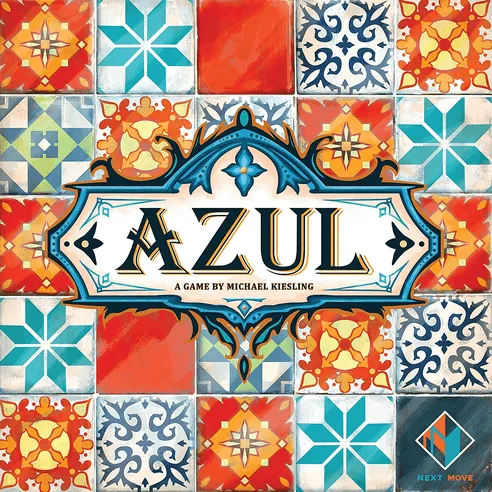
Azul
2017 · Michael Kiesling
The chunky tiles feel like candy, and the game under them is a clean little knife fight.
Affiliate link — we may earn a commission at no extra cost to you.
Splendor
- Teaches in five minutes and the chunky poker-style chips are genuinely fun to handle
- Builds a satisfying snowball engine where cheap cards fund pricier ones
- Quick, language-independent, and travels well to almost any table
- Theme is paper-thin, it's really just gem-colored point collection
- Can feel solved and repetitive once experienced players find the optimal pace
Azul
- The resin tiles are so satisfying you'll fidget with them
- You can teach it in two minutes and the depth shows up right away
- It's fantastic at two players
- There's basically no theme, it's pure pattern and timing
- A runaway leader at four players can be hard to catch
Splendor and Azul both sit in our Family list. See the full Family ranking to find where each one lands and what else is worth a spot on your shelf.
How they actually play
In Splendor you take one action on your turn: grab gem chips, buy a development card, or reserve one for later. Cheap cards give permanent discounts that let you afford expensive cards, which is the whole hook. You are building a little economic engine, and watching it snowball from broke to buying two cards a turn feels great. The catch is that it can play like multiplayer solitaire, with everyone heads-down on their own engine until someone races to fifteen points, and that endgame, where players hover just under the line doing the math, can land flat.
Azul has you draft matching tiles from shared piles and lay them on your board for points, but every tile you take leaves the rest for everyone else. So half of what you are doing is deciding what you are willing to hand your opponents. At two players it turns slow and a little vicious, a game of denial where you will grab tiles you do not even want just to keep them away from someone. There is far more direct interaction here than in Splendor, where you mostly leave each other alone.
Complexity and learning curve
Both are featherweight teaches, but Splendor is the lighter of the two, sitting at Light versus Azul's Light-Medium. Splendor teaches in five minutes and is language-independent, which makes it one of the best games out there for cracking open with a total beginner or as a filler between heavier games. Azul is barely heavier, also a two-minute teach, but the depth and the meanness show up right away.
The player who bounces off Splendor is the experienced gamer who finds it starts to feel solved once the optimal routes and pacing get familiar. The player who bounces off Azul is the one who needs a theme to stay interested, since it is pure pattern and timing with no story at all. For a brand-new player or a calm family table, Splendor is the gentler on-ramp.
Replayability and table presence
On components, both punch above their weight. Splendor's chunky poker-style chips are genuinely fun to handle, and Azul's resin tiles feel like candy and are so satisfying you will fidget with them. Azul has the higher ceiling here: it holds up night after night as a duel, while Splendor can start to feel repetitive once experienced players settle into the optimal pace.
Neither has a deep variety system, but Azul's tactical denial keeps each game feeling different depending on who you are playing against, whereas Splendor leans on its clean simplicity rather than variety. A runaway leader can pinch both games at four players, which is part of why each shines brightest closer to two. Veterans chasing more depth from Splendor often jump to Splendor Duel for two players instead.
Buy Splendor if you want the lightest, cleanest possible gateway engine-builder to teach a non-gamer in five minutes or to use as a quick filler between heavier games. Buy Azul if you want a bit more bite and table tension, especially as a two-player duel where the quiet cruelty really kicks in. Splendor is the calmer, more solitaire-ish race; Azul is the sharper, more interactive fight. For experienced players who want something that holds up over many plays, Azul is the stronger long-term keeper.
Splendor is the gentlest gateway engine-builder; Azul is the meaner, more replayable duel for two.