Wingspan vs Cascadia: Which Should You Buy?
These two get recommended together so often it is almost a reflex, and I understand why. Both are beautiful, both are calm, and both are the kind of game you can put in front of someone who swears they hate board games. But they are not really the same kind of evening. Wingspan is an engine builder where you slowly grow a flock that starts doing the work for you. Cascadia is a tight little tile puzzle you can teach in five minutes and finish before the tea goes cold.
So this is less about which one is better and more about what your table actually wants on a given night. Do you want to settle in and watch a machine click into place, or do you want a smart, quick brain stretch you can play twice in an evening? Let me walk through how they really feel so you can pick the one your group will keep reaching for.
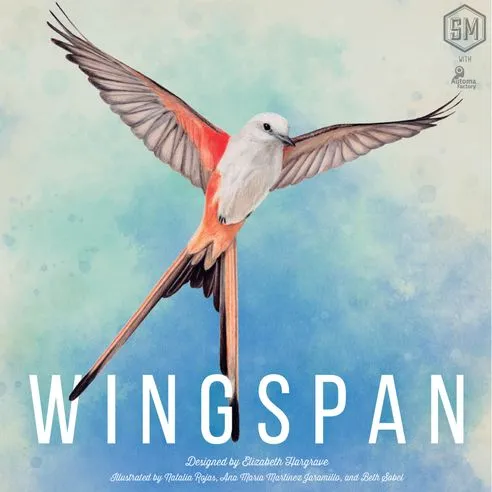
Wingspan
2019 · Elizabeth Hargrave
It looks like a pretty game that might be hollow. It isn't. It's quietly one of the best gateway games out there.
Affiliate link — we may earn a commission at no extra cost to you.
/pic5100691.jpg)
Cascadia
2021 · Randy Flynn (art by Beth Sobel)
One of the best gateway games out there, and a genuinely great solo game, as long as you're fine building your own quiet corner instead of fighting anyone.
Affiliate link — we may earn a commission at no extra cost to you.
Wingspan
- The bird cards are lovely to look at, and there are a lot of them
- Easy to teach, but there's plenty to chew on once it clicks
- The solo mode is good enough to play on a quiet night
- You mostly tend your own little world, so it can feel a bit lonely
- One slow, over-thinking player can stall the back half
Cascadia
- Teaches in five minutes but the placement decisions actually have teeth
- Scoring card combos mean it stays fresh for dozens of plays
- Gorgeous Beth Sobel art and a calm, conflict-free table
- Almost no player interaction, so it can feel like everyone's playing solitaire
- The random tile-and-token pairs sometimes hand you nothing you want
Wingspan and Cascadia both sit in our Family list. See the full Family ranking to find where each one lands and what else is worth a spot on your shelf.
How they actually play
Wingspan is all about the slow build. You are filling a wildlife preserve with birds, and every bird you play makes your next turn a little better, so by the back half your board is humming and your own engine is handing you cards, food, and eggs. That moment when it starts doing the work for you is the whole appeal. The flip side is that you mostly tend your own little world, so it can feel a touch lonely, and one over-thinking player can stall the late game.
Cascadia is faster and tighter. You draft a hex of terrain paired with a wildlife token, slot the hex into your growing map, and place the animal on a matching spot, and that is basically it. The pull is the puzzle: bears want to pair up, salmon want to run in lines, hawks want their space. Each turn is a tidy little knot of choices. Like Wingspan it is conflict-free and quiet, but it leans even further that way, so close to multiplayer solitaire that the interaction is really just racing for the same tile.
Complexity and learning curve
Cascadia wins on sheer ease. It teaches in about five minutes, the rules barely fill a page, and yet the placement decisions genuinely have teeth, which is a rare trick to pull off. Wingspan is a step up but still firmly a gateway game: it is easy to teach, but there is plenty to chew on once it clicks, and the iconography on the bird cards does most of the explaining for you. Neither game is going to scare off a new player.
If you are choosing for a mixed table where skill levels are all over the place, both work, but they work differently. Cascadia gets everyone playing almost instantly. Wingspan asks for a slightly longer first teach but rewards the people who like to plan a few turns ahead.
Replayability and table presence
Both of these stay fresh for a long time. Wingspan ships with a lot of lovely bird cards, so no two preserves fill up the same way, and the solo mode is good enough to play on a quiet night. Cascadia leans on swappable scoring cards, which means the combos keep shifting for dozens of plays before they start to repeat, and its solo mode is so strong it won a Best Solo award.
On table presence they are both stunners. Wingspan has the bird cards and the dice tower feeder that people love to fiddle with. Cascadia has Beth Sobel art and a calm, tactile spread of hexes and wooden critters. You will not be embarrassed to leave either one out on the table.
Buy Wingspan if you want the richer engine-building payoff, a meatier evening, and a game that grows as players take it more seriously. Buy Cascadia if you want something you can teach in five minutes, finish in well under an hour, and play twice in a sitting. Wingspan rates higher with me and gives more back over a long night, but Cascadia is the better pick for quick family rounds and solo play. Honestly, plenty of shelves happily hold both.
Wingspan for the slow-burn engine, Cascadia for the quick calm puzzle, and either one for a peaceful, friendly table.