 VS
VS/pic9374520.png)
Azul vs. Sagrada: Which Pretty Puzzle Wins?
Azul and Sagrada are the two big names when people talk about beautiful pattern-building abstracts, and the short answer is this: Azul is the cleaner, snappier head-to-head puzzle, while Sagrada is the deeper, fiddlier solo-friendly one with a Sudoku brain. Both came out in 2017, both have you drafting pretty pieces into your own grid, and both look stunning on the table.
So which pretty puzzle wins? It depends on who's playing and what you want out of the night. Want something fast that teaches in three minutes and bites a little? Azul. Want a thinkier, more variable puzzle you can also play alone? Sagrada. Here's the honest breakdown so you can pick the right one (or admit you want both).
What you're actually doing in each game
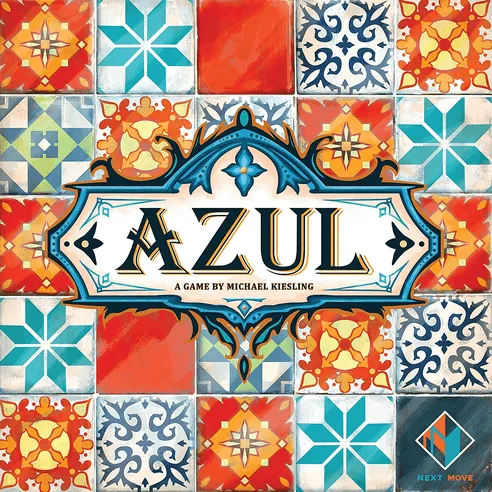
In Azul, you grab colored tiles from shared factory displays. The catch is you take all tiles of one color from a single display, and the rest slide to the center for the next person. You're trying to fill rows so you can move tiles onto your mosaic and score, but any tile you can't place becomes negative points. It's drafting plus a little hand management plus a lot of "please don't leave me stuck with five black tiles."
Sagrada hands you a player board that's a 5x4 grid representing a stained glass window. You draft numbered, colored dice and slot them in, but placement rules are strict: dice of the same color or same number can't touch orthogonally, and your board has spaces that demand a specific color or value. It's basically Sudoku with a draft on top. If Azul feels like laying mosaic tiles, Sagrada feels like solving a logic puzzle that fights back.
Difficulty, weight, and how long it takes
Azul is the lighter, faster game. It teaches in a couple of minutes, plays in 30-45, and a focused group can finish well under half an hour. The rules are almost embarrassingly simple, but the decisions stay sharp because what you take affects everyone.
Sagrada is heavier and slower. Same color and number restrictions mean every die placement is a small constraint-satisfaction problem, and analysis paralysis is real with the wrong crowd. It runs a bit longer and asks more of your brain. Neither is a heavy strategy game, but Sagrada sits a clear notch above Azul on the thinky scale. If you're teaching new or casual players, Azul is the friendlier on-ramp.
Replayability and variety
This is where Sagrada pulls ahead. Every game draws a fresh set of public objective cards that decide what scores points that round, plus you each pick a different window-pattern board with its own difficulty rating. You also get private goals and single-use tool cards that bend the rules. The result is that no two games feel identical, and harder boards give experienced players something to chew on.
Azul is more fixed. The wall everyone fills follows the same pattern, so your strategy shifts with the tiles and your opponents rather than with new setups. It stays fresh because the drafting tension never gets old, but it doesn't have Sagrada's built-in variety. Worth noting: later Azul editions and sequels like Stained Glass of Sintra and Summer Pavilion add variable boards if that's what you're after.
Player count and the solo question
Azul is strictly 2-4 players, and it's at its best as a head-to-head or three-player game where you can actually deny opponents the tiles they want. There's no official solo mode, so if you game alone, Azul is off the table.
Sagrada plays 1-4, and the solo mode is genuinely good. You draft from a small pull of dice and chase a target score, which turns the whole thing into a satisfying personal puzzle. Sagrada also scales down nicely to two players without losing much, since most of the game happens on your own board anyway. If solo or low-count play matters to you, Sagrada is the obvious pick.
The verdict: which one wins
For pure elegance and table presence, Azul takes it. It's the Spiel des Jahres winner for a reason: dead-simple rules, gorgeous chunky tiles, and a drafting puzzle that creates real tension without slowing anyone down. If you can only own one and you mostly play with other people, get Azul.
But Sagrada wins on depth and flexibility. The dice puzzle has more going on, the variety keeps it fresh longer, and the solo mode means it earns its shelf space even when nobody's around. If you like a meatier brain-burn or you game alone, Sagrada is your winner. Honestly? They're different enough that owning both isn't redundant. One's your quick gorgeous filler, the other's your quiet puzzle night.
Azul wins for speed, elegance, and group play. Sagrada wins for depth, variety, and solo nights. Most collections are happy with both.
Common questions
Is Azul or Sagrada better for beginners?
Azul. It teaches in a couple of minutes and the rules are nearly self-explanatory. Sagrada's color and number placement restrictions make it a bigger mental step, so it's better as a second pattern-builder once people are comfortable.
Can you play Sagrada solo? Can you play Azul solo?
Sagrada has a built-in solo mode where you draft from a small dice pull and chase a target score, and it works well. Azul has no official solo mode and is designed for 2-4 players, so it's not a solo option out of the box.
Are Azul and Sagrada too similar to own both?
Not really. They share the draft-into-your-own-grid skeleton, but Azul is a fast tile-drafting game with shared tension, while Sagrada is a slower Sudoku-style dice puzzle with heavy variety and solo play. Most collections are happy to keep both.